

Vintage fashion blog
How to care for your leather clothing so it lasts for many years

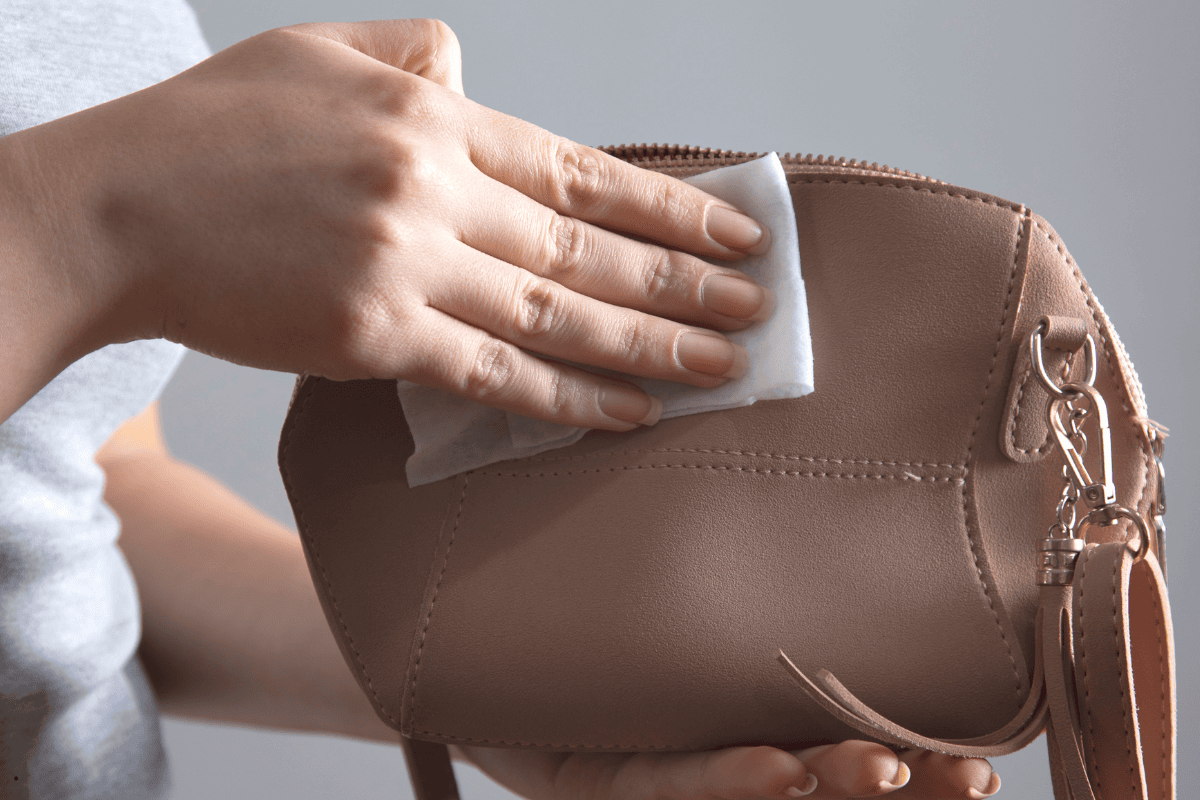
Four habits are enough to care for leather clothing: storing it in a cool, dry place, cleaning it with a barely damp cloth, conditioning it with a dedicated product when it feels dry and letting it dry at room temperature if it gets wet. They apply to smooth leather; suede and nubuck are cared for differently, without water or creams. With that, a leather jacket, bag or pair of trousers can stay with you for many years: what damages them most is direct heat, too much water and cleaning products that aren't designed for leather.
How to store leather clothing
Leather is a natural material: it needs air and copes badly with both sun and damp.
- Hang jackets on a wide hanger that supports the shoulders properly. Thin hangers pull them out of shape.
- Choose a cool, dry spot out of direct sunlight. Heat dries leather out and strong light can alter the colour.
- Use a fabric cover, not a plastic one. Plastic doesn't let it breathe and traps moisture.
- Leave space in the wardrobe. Squeezed between other garments, a jacket picks up creases that are hard to remove.
- Don't leave a garment folded for long. If you fold it for a trip, hang it up as soon as you arrive.
- Store bags resting on a surface and stuffed with tissue paper, so they keep their shape, rather than hanging by the handles.
How to clean smooth leather without damaging it
With leather, less is more. If the garment still has its care label, read it first. For everyday dust and dirt:
- Wipe a soft, dry cloth over the whole garment.
- If needed, dampen the cloth very slightly with water, so that it doesn't drip, and test it first on an inconspicuous area: some leathers darken with water.
- Wipe without rubbing hard and leave the garment to air-dry on a hanger, away from radiators and the sun.
What you should always avoid:
- the washing machine and the tumble dryer;
- soaking the garment or applying soap and water directly;
- alcohol, bleach, solvents, all-purpose cleaners and generic stain removers.
If you use a cleaner made specifically for leather, test it first on an inconspicuous area, such as the inside of the hem, and wait for it to dry to see how the colour reacts. With a stubborn stain, from grease or ink, the most prudent thing is to go to a professional leather cleaner before trying home remedies.
How and when to condition smooth leather
Over time leather dries out and can become stiff or dull. A cream or balm made specifically for leather helps restore its suppleness.
- First remove the dust with a dry cloth.
- Test the product on an inconspicuous area: some creams darken the shade slightly.
- Apply a small amount with a soft cloth, in circular movements and without soaking.
- Let it absorb and remove the excess with a clean cloth.
There's no need to do it often: condition it when it feels dry, stiff or lacking shine. Too much product does it no good either.
Suede and nubuck: different care
Suede and nubuck, the leathers with a velvety feel, are not treated like smooth leather. Don't apply creams or greases to them: they are cleaned without water, with a brush made specifically for suede, and they are especially sensitive to damp and stains. If a suede garment has a visible stain, consult a professional.
What to do if leather gets wet
- Shake off the water and dab the surface dry with an absorbent cloth, without rubbing.
- Hang the garment on a wide hanger, in its shape, at room temperature.
- Don't put it near a radiator, don't use a hairdryer and don't put it in the sun: direct heat can harden and crack the leather.
- Once it's completely dry, condition it if it's smooth leather and has gone stiff.
Patina or defect: how to tell them apart on vintage leather
On a vintage leather garment it's normal to find patina: gentle changes in tone, shine in the areas that rub and creases from wear. It's the natural wear of the material and part of its character. Quite another matter are defects: deep cracks, tears, peeling areas or a torn lining. Patina is something you look after; defects are worth knowing about before you buy and, if you want to have them repaired, the garment should go to a specialist workshop.
If you're looking for ideas on how to wear yours, here are five leather jacket looks.
Questions about a specific garment?
Message us on WhatsApp (+34 722 48 32 41). And if you're looking for a jacket, you can see the available pieces in the online shop.
Frequently asked questions
Can you wash a leather jacket in the washing machine?
No. Too much water, the spin cycle and detergent can distort, harden and discolour leather. If it's smooth leather, clean it with a barely damp cloth; if it needs a thorough clean, take it to a professional leather cleaner.
How often should you condition a leather garment?
There's no fixed interval: it depends on use and climate. Do it when smooth leather feels dry, stiff or dull, always with a dedicated product and testing it first on an inconspicuous area. Suede and nubuck are not conditioned with creams.
What should I do if my leather jacket gets wet in the rain?
Dab it dry with a cloth, hang it on a wide hanger and let it dry at room temperature. Don't use a hairdryer or a radiator and don't put it in the sun.
How do you get the musty smell of storage out of a leather garment?
Air it for several days on a hanger in a ventilated, shaded place. Don't wash it or spray it with perfume; if the smell persists or you see mould spots, consult a professional.